


- Home
- 7 Programming Languages For Developers In 2018
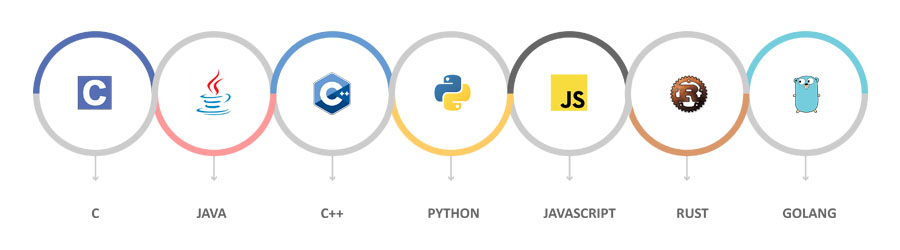
7 Programming Languages For Developers In 2018
The programming language landscape continues evolving rapidly as new frameworks, paradigms, and industry demands reshape which languages deliver the strongest career opportunities for developers at any given time. While some languages maintain enduring relevance due to massive existing codebases and entrenched enterprise adoption, others gain prominence as emerging technology trends like artificial intelligence, cloud computing, and mobile development create fresh demand for specific language capabilities. Developers who strategically choose which languages to learn, rather than following trends blindly, position themselves for stronger career outcomes regardless of how the broader technology landscape continues shifting.
Selecting which programming languages deserve your learning investment requires balancing several factors, including current job market demand, the specific industry or application domain you want to work within, and how well a given language aligns with problems you genuinely find interesting to solve. This guide explores seven programming languages that continue offering strong career value for developers, along with practical guidance for building genuine proficiency and making strategic decisions about your broader language learning journey.
Understand Why Language Choice Matters For Your Career
Choosing which programming languages to learn represents one of the most consequential early decisions in a developer’s career, since language proficiency directly shapes which job opportunities, industries, and types of problems you become qualified to work on. Some languages open doors specifically within enterprise software development, while others align more closely with data science, mobile development, or systems programming, meaning your language choices effectively narrow or expand your career trajectory in meaningful ways. Understanding this connection between language proficiency and career direction helps developers make more deliberate, strategic learning decisions rather than randomly picking languages based solely on popularity rankings.
Beyond career direction, different languages also shape how developers think about solving problems, since languages built around different paradigms, such as functional versus object-oriented programming, train developers to approach challenges from genuinely different conceptual angles. Developers who deliberately learn languages representing different paradigms tend to become more versatile problem solvers overall, since exposure to varied approaches enriches how they think about code structure and solution design even when working primarily within a single language day to day. This broader perspective on why language choice matters provides essential context for evaluating which of the seven languages discussed throughout this guide deserve your own learning investment.
Consider Python For Versatility And Data Science Applications
Python continues to stand out as one of the most versatile and widely adopted programming languages, valued particularly for its readable syntax and the extensive ecosystem of libraries supporting everything from web development through data science and machine learning applications. The language’s gentle learning curve makes it an excellent starting point for newer developers, while its genuine power and flexibility ensure experienced developers continue finding new applications for the language throughout increasingly advanced career stages. Understanding Python’s core syntax, along with popular frameworks and libraries relevant to your specific area of interest, provides a strong foundation applicable across numerous industries and application types.
Python’s dominance within data science and machine learning specifically has made this language particularly valuable for developers interested in artificial intelligence applications, given the extensive libraries available for data manipulation, statistical analysis, and machine learning model development. Beyond data science, Python’s web development frameworks support building everything from simple websites through complex, scalable web applications, demonstrating the language’s genuine versatility across dramatically different application domains. Developers who build genuine Python proficiency, including familiarity with its most popular libraries and frameworks relevant to their specific career interests, position themselves advantageously given the language’s continued strong demand across nearly every technology sector.
Explore JavaScript For Web Development Dominance
JavaScript remains the undisputed language of web development, powering interactive functionality across virtually every modern website while also expanding into server-side development, mobile applications, and even desktop software through various runtime environments and frameworks. Understanding JavaScript fundamentals, including how the language handles asynchronous operations and interacts with web browser environments, provides essential foundational knowledge for any developer interested in web-focused career paths. The language’s continued evolution, with regular updates introducing new syntax and capabilities, means developers need to stay current with modern JavaScript practices rather than relying solely on older syntax patterns that newer codebases increasingly avoid.
Beyond browser-based development, JavaScript’s expansion into server-side programming has created substantial demand for developers who can work across the entire web application stack using a single, consistent language rather than switching between different languages for frontend and backend development. Popular JavaScript frameworks have further expanded the language’s reach into mobile and desktop application development, allowing developers to leverage existing JavaScript skills across dramatically different platform targets. This versatility, combined with JavaScript’s foundational role in web development specifically, ensures the language remains an essential skill for developers regardless of their specific career specialization within the broader software development field.
Examine Java For Enterprise Application Development
Java maintains substantial relevance within enterprise software development, particularly within large organizations that have invested heavily in Java-based systems over multiple decades and continue relying on this established technology foundation for mission-critical business applications. Understanding Java’s object-oriented programming principles, along with its robust ecosystem of enterprise frameworks, provides essential preparation for developers interested in working within large corporate technology environments. The language’s emphasis on platform independence, allowing compiled Java code to run consistently across different operating systems, continues providing genuine practical value for organizations managing diverse technology infrastructure.
Beyond traditional enterprise applications, Java continues playing a significant role in Android mobile development, financial services technology, and large-scale distributed systems where reliability and proven, mature tooling matter more than adopting newer, less established technologies. Developers pursuing Java proficiency benefit from understanding not just core language syntax but also the broader enterprise development practices, including dependency management and testing frameworks, that Java-focused organizations typically expect from professional developers. This combination of core language knowledge and broader enterprise development practices positions Java-proficient developers for stable, well-compensated career opportunities within organizations that continue relying on this established technology foundation.
Investigate Go For Modern Cloud Native Development
Go, often referred to as Golang, has gained substantial traction particularly within cloud infrastructure and distributed systems development, valued for its simplicity, strong performance characteristics, and built-in support for concurrent programming patterns increasingly important in modern, scalable applications. Understanding Go’s straightforward syntax, which deliberately avoids some of the complexity found in older, more established languages, makes this language relatively approachable for developers with some existing programming experience. The language’s design philosophy, prioritizing simplicity and readability over extensive feature sets, reflects genuine lessons learned from challenges developers faced working with more complex programming languages.
Go’s strong adoption within cloud-native development specifically, including its use in building containerization and orchestration tools that have become foundational to modern cloud infrastructure, makes this language particularly valuable for developers interested in cloud computing and infrastructure-focused career paths. Organizations building high-performance, scalable backend systems increasingly choose Go specifically for its combination of performance characteristics similar to lower-level languages while maintaining much of the development speed and readability associated with higher-level programming languages. Developers who build genuine Go proficiency position themselves advantageously within the cloud infrastructure and distributed systems development space, an area experiencing sustained, strong demand as organizations continue migrating toward cloud-native architecture patterns.
Review Rust For Systems Programming And Performance
Rust has earned a strong reputation specifically for memory safety and performance characteristics that make it increasingly popular for systems programming tasks traditionally dominated by languages that require developers to manage memory manually with associated risks of serious security vulnerabilities. Understanding Rust’s ownership model, which enforces memory safety through compile-time checks rather than runtime garbage collection, represents a genuinely different programming paradigm that requires dedicated learning investment compared to more traditional language structures. This learning curve, while genuinely challenging for many developers initially, produces software with significantly reduced risk of certain critical security vulnerabilities common in other systems programming languages.
Organizations increasingly adopt Rust for performance-critical applications and systems programming tasks where security vulnerabilities carry particularly severe consequences, including operating system components, web browsers, and infrastructure software where memory safety issues have historically caused serious security incidents. Developers willing to invest the additional learning time Rust’s unique paradigm requires position themselves within an increasingly valuable, specialized niche, since the language’s genuine safety and performance benefits continue driving adoption within security-conscious organizations and performance-critical application domains. This combination of growing industry adoption and the genuine technical advantages Rust provides makes this language an increasingly strategic choice for developers interested in systems-level programming career paths.
Analyze TypeScript For Scalable JavaScript Development
TypeScript has gained substantial adoption as organizations building large, complex JavaScript applications increasingly recognize the benefits that static typing provides for catching errors during development rather than discovering them in production environments. Understanding how TypeScript extends JavaScript with optional type annotations, while still compiling down to standard JavaScript that runs in any compatible environment, provides developers with the benefits of stronger tooling and error detection without abandoning the broader JavaScript ecosystem entirely. This compatibility with existing JavaScript knowledge makes TypeScript relatively accessible for developers who already possess solid JavaScript fundamentals.
Organizations building large-scale web applications increasingly adopt TypeScript specifically because the additional type safety it provides becomes genuinely valuable as codebases grow large enough that tracking data types manually becomes impractical without automated tooling support. Many popular JavaScript frameworks now offer strong TypeScript integration, reflecting the broader industry recognition that static typing provides genuine development efficiency benefits for sufficiently complex applications despite the additional upfront learning and configuration TypeScript requires. Developers who build TypeScript proficiency on top of existing JavaScript knowledge position themselves favorably for roles within organizations building exactly the kind of large-scale, complex web applications where TypeScript’s benefits become most apparent and valuable.
Discover Kotlin For Modern Android Development
Kotlin has become the preferred language for Android application development, officially endorsed by Google as the recommended language for new Android projects given its modern syntax improvements and interoperability with existing Java-based Android codebases. Understanding Kotlin’s syntax improvements over Java, including more concise code structures and built-in null safety features that help prevent common categories of runtime errors, provides developers with genuine practical benefits when building mobile applications. The language’s full interoperability with existing Java code means developers can gradually introduce Kotlin within existing Android projects rather than requiring complete rewrites to begin benefiting from the language’s improvements.
Beyond Android development specifically, Kotlin has expanded into other application domains, including server-side development and cross-platform mobile development frameworks that allow developers to share code across both Android and iOS platforms using a single codebase. Developers interested specifically in mobile development career paths benefit substantially from Kotlin proficiency, given Google’s official endorsement and the broader Android development community’s strong adoption of this language for new projects. This combination of official platform endorsement and genuine technical improvements over previous Android development approaches ensures Kotlin remains a strategically valuable language for developers pursuing mobile-focused career specializations.
Build A Strategic Multi Language Learning Approach
Rather than viewing language learning as choosing a single language to master exclusively, successful developers typically build proficiency across multiple complementary languages that together support their specific career goals and the types of projects they want to work on professionally. Consider how the seven languages discussed throughout this guide might complement each other within your own career strategy, such as combining Python for data science work with JavaScript for building interactive interfaces that display your analytical results to end users. Understanding these natural complementary pairings helps developers build a more cohesive skill set rather than learning languages in isolation without considering how they might work together within real projects.
Developing genuine proficiency across multiple languages requires honest prioritization, since attempting to learn all seven languages simultaneously with equal depth typically produces shallow, unreliable knowledge across all of them rather than genuine competence in any single language. Most successful developers identify one or two primary languages where they build deep, genuine expertise, then develop secondary familiarity with additional languages as specific project needs or career opportunities arise. This strategic, prioritized approach to multi-language learning produces more genuinely useful skills than attempting comprehensive mastery across every popular language simultaneously, allowing developers to build real depth in their primary languages while maintaining enough breadth to adapt as career opportunities and project requirements evolve.
Practice Building Real Projects To Solidify Language Skills
Genuine programming language proficiency develops through building real projects rather than passive study of syntax and documentation alone, since practical application reveals the countless small details and edge cases that theoretical study alone often fails to surface. Developers should prioritize building personal projects using whichever languages they are actively learning, choosing project ideas genuinely interesting to them personally since intrinsic motivation significantly improves both learning persistence and the depth of understanding gained through the development process. Starting with smaller, achievable projects before attempting more ambitious applications helps build confidence and foundational skills before tackling the kind of complexity that might otherwise prove overwhelming for developers still building basic language fluency.
Beyond solo projects, contributing to open source projects written in your target language provides invaluable exposure to how experienced developers structure larger, production-quality codebases, along with practical experience collaborating with other developers through code review and version control workflows. This combination of personal projects and open source contribution builds a portfolio of demonstrable work that proves valuable both for solidifying your own language skills and for demonstrating genuine competence to potential employers during job searches. Developers who consistently build real projects throughout their language learning journey develop significantly stronger, more practical skills compared to those who rely primarily on tutorials and theoretical study without sufficient hands-on application of the concepts being learned.
Conclusion
Choosing which programming languages to invest your learning time in requires balancing current job market demand with genuine personal interest in the types of problems each language helps you solve, recognizing that sustained learning motivation matters just as much as strategic career considerations when building genuine technical proficiency. The seven languages explored throughout this guide, spanning Python’s data science versatility, JavaScript’s web development dominance, Java’s enterprise stability, Go’s cloud-native strengths, Rust’s systems programming safety, TypeScript’s scalable development benefits, and Kotlin’s mobile development advantages, each offer genuine, distinct value depending on your specific career interests and goals. Understanding these distinctions helps you make more deliberate, strategic decisions about where to focus your limited learning time and energy.
Building genuine proficiency in any of these languages requires consistent, hands-on practice through real projects rather than passive study alone, since practical application reveals the countless nuances and edge cases that pure documentation review often fails to adequately convey. Combining structured learning resources with deliberate project building, ideally including some open source contribution to gain exposure to professional development practices and collaborative workflows, produces the kind of well-rounded, genuinely applicable skills that employers actively seek when evaluating developer candidates. Developers who approach language learning with this practical, project-focused mindset tend to develop stronger, more durable skills compared to those who rely primarily on passive tutorial consumption without sufficient hands-on application.
As you plan your own programming language learning journey, resist the temptation to chase every trending language simultaneously, instead building genuine depth in one or two primary languages that align closely with your specific career goals before expanding into complementary secondary languages as opportunities arise. Remember that the technology landscape will continue evolving throughout your career, meaning the specific languages you prioritize today represent just one chapter within a much longer professional learning journey that will likely include additional languages and technologies not yet prominent within the current landscape. Approach your language learning with genuine curiosity and strategic patience, building the kind of deep, practical proficiency that provides lasting career value regardless of how specific language popularity continues shifting throughout the years ahead.
- Career
- Certifications
- Amazon
- Certification Guidance
- Cisco
- CompTIA
- EC-Council
- Fortinet
- Google Cloud
- ISACA
- ISC2
- ITIL & Service Management
- Microsoft
- Palo Alto Networks
- Privacy, Risk & Compliance
- Professional Certifications
- Project Management
- Scrum & Agile
- Security Certifications
- ServiceNow
- Six Sigma & Quality
- TOGAF & Enterprise Architecture
- VMware & Broadcom
- Technology
- Test Prep
- Uncategorized
