DP-700: Implementing Data Engineering Solutions Using Microsoft Fabric
PDFs and exam guides are not so efficient, right? Prepare for your Microsoft examination with our training course. The DP-700 course contains a complete batch of videos that will provide you with profound and thorough knowledge related to Microsoft certification exam. Pass the Microsoft DP-700 test with flying colors.
Rating
4.46
Students
124
Duration
16:43:14 h
$16.49
$14.99
Curriculum for DP-700 Certification Video Course
Introduction
2 Lectures
Time 00:04:00
A look arounf Fabric
5 Lectures
Time 00:41:54
Using Dataflow Gen2
6 Lectures
Time 00:37:09
Transforming data using Dataflow Gen2
8 Lectures
Time 00:58:59
Transforming data by using Power Query (M)
6 Lectures
Time 00:48:02
Using pipelines
6 Lectures
Time 00:38:42
Loading and saving data using notebooks
6 Lectures
Time 00:36:38
Manipulating dataframes- choosing columns and rows
7 Lectures
Time 00:43:28
Converting data types, aggregating and sorting dataframes
8 Lectures
Time 00:44:36
Transformation data in a lakehouse
8 Lectures
Time 00:53:23
Improving notebook performance and automating notebooks
8 Lectures
Time 00:49:58
Creating objects
8 Lectures
Time 00:37:59
Optimize performance in notebooks
4 Lectures
Time 00:14:57
Transform data in a data warehouse
6 Lectures
Time 00:35:47
Creating incremental data loads
4 Lectures
Time 00:28:38
Mange and Optimize Data Warehouse
7 Lectures
Time 00:47:50
Creating an eventhouse
2 Lectures
Time 00:13:31
Selecting, filtering and aggregating data using KQL
9 Lectures
Time 01:01:24
25 KQL Functions
9 Lectures
Time 00:56:07
Transforming data using KQL
7 Lectures
Time 00:40:35
Ingest and transform streaming data -eventstreams
5 Lectures
Time 00:33:06
Ingest and transform streaming data- Other objects
7 Lectures
Time 00:46:08
Workspace settings and Monitoring
12 Lectures
Time 01:09:40
Configuring security and governance, and deployment pipelines
8 Lectures
Time 00:58:46
Congratulations for completing the course
2 Lectures
Time 00:01:57
| Name of Video | Time |
|---|---|
 1. Introduction |
1:28 |
2. Curriculum |
2:32 |
| Name of Video | Time |
|---|---|
1. Signing into Microsoft Fabric |
5:12 |
2. Why do I need a Work email address? And how can I get one, if I don't have it? |
13:49 |
3. Creating a Fabric capacity and configure Fabric-enabled workspace settings |
7:02 |
4. Identify requirements for a Fabric solution and manage Fabric capacity |
6:56 |
5. A quick tour of Fabric |
8:55 |
| Name of Video | Time |
|---|---|
1. Ingest data by using a dataflow |
8:22 |
2. Add a destination to a dataflow |
7:08 |
3. Saving as a template and scheduling a dataflow |
4:52 |
4. Implement Fast Copy when using dataflows |
3:22 |
5. Monitor data transformation, identify and resolve errors using dataflows |
6:21 |
6. 35. Optimize a dataflow |
7:04 |
| Name of Video | Time |
|---|---|
1. The first part of the Home menu, including converting column data types |
7:06 |
2. Removing rows/columns, and filtering and sorting data |
8:30 |
3. Grouping and aggregating data, and duplicating and referencing queries |
5:52 |
4. Denormalize data by Joining data together using Merge Queries |
6:34 |
5. Unioning data using Append Queries |
5:50 |
6. Identify and resolve duplicate data, missing data (null values) |
8:51 |
7. Transforming data and adding additional columns |
6:55 |
8. Practice Activity Number 1 - The Solution |
9:21 |
| Name of Video | Time |
|---|---|
1. Introducing the M language |
8:42 |
2. M Number functions |
9:14 |
3. M Text functions |
6:51 |
4. M Date, Time and Duration functions |
7:15 |
5. 27. M Group functions and removing rows |
6:29 |
6. M Table functions |
9:31 |
| Name of Video | Time |
|---|---|
1. Ingest data by using a data pipeline, and adding other activities |
7:05 |
2. Copy data by using a data pipeline |
9:29 |
3. Schedule data pipelines and monitor data pipeline runs |
4:27 |
4. Identifying and resolving pipeline errors, and optimizing a pipeline |
6:41 |
5. Exploring sample data (including copy data assistant) + data pipeline templates |
01:57 |
6. Practice Activity Number 2 - The Solution |
9:03 |
| Name of Video | Time |
|---|---|
1. Ingesting data into a lakehouse using a local upload |
5:28 |
2. Choose an appropriate method for copying to a Lakehouse or Warehouse |
3:03 |
3. Ingesting data using a notebook, and copying to a table |
9:00 |
4. Saving data to a file or Lakehouse table |
8:20 |
5. Loading data from a table in PySpark and SQL, and manipulating the results |
7:16 |
6. Practice Activity Number 3 - The Solution |
03:31 |
| Name of Video | Time |
|---|---|
1. Reducing the number of columns shown |
05:53 |
2. Filtering data with: where, limit and tail |
07:14 |
3. Enriching data by adding new columns |
3:07 |
4. Using Functions |
7:41 |
5. More advanced filtering |
7:28 |
6. Practice Activity Number 4 using PySpark - The Solution |
8:37 |
7. Practice Activity Number 5 using SQL - The Solution |
3:28 |
| Name of Video | Time |
|---|---|
1. Converting data types |
6:08 |
2. Importing data using an explicit data structure |
3:58 |
3. Formatting dates as strings |
6:42 |
4. Aggregating and re-filtering data |
4:37 |
5. Sorting the results |
5:52 |
6. Using all 6 SQL Clauses |
4:49 |
7. Practice Activity Number 6 using PySpark - The Solution |
6:35 |
8. Practice Activity Number 7 using SQL - The Solution |
5:55 |
| Name of Video | Time |
|---|---|
1. Merging data |
8:12 |
2. Identifying and resolving duplicate data |
5:11 |
3. Joining data using an Inner join |
6:31 |
4. Joining data using other joins |
6:44 |
5. Identifying missing data or null values |
7:33 |
6. Practice Activity Number 8 using PySpark - The Solution |
3:00 |
7. Practice Activity Number 9 using PySpark - The Solution |
7:34 |
8. Practice Activity Number 10 using SQL - The Solution |
8:38 |
| Name of Video | Time |
|---|---|
1. Schedule notebooks |
02:50 |
2. Process data by using Spark structured streaming in a notebook |
08:12 |
3. Testing the processing of streaming data in a notebook |
04:00 |
4. Process data by using a Spark Job Definition |
09:09 |
5. Choosing between a pipeline, a dataflow and a notebook |
4:11 |
6. Implement parameters with notebooks and pipelines |
7:19 |
7. Implement dynamic expressions with notebooks and pipelines |
6:14 |
8. Practice Activity Number 11 - The Solution |
8:03 |
| Name of Video | Time |
|---|---|
1. Create and manage shortcuts |
5:55 |
2. Identify and resolve Shortcut errors |
3:49 |
3. Configure OneLake workspace settings |
3:02 |
4. Creating a Microsoft Azure SQL Database as a source |
2:23 |
5. Implement file partitioning for analytics workloads using a pipeline |
8:25 |
6. Implement file partitioning for analytics workloads - data is in a lakehouse |
3:10 |
7. Implement mirroring of external databases |
7:34 |
8. Practice Activity Number 12 - The Solution |
3:41 |
| Name of Video | Time |
|---|---|
1. Identify and resolve data loading performance bottlenecks in notebooks |
03:11 |
2. Implement performance improvements in notebooks, inc. V-Order |
3:54 |
3. Identify and resolve issues with Delta table file: optimized writes |
2:42 |
4. Optimize Spark performance |
5:10 |
| Name of Video | Time |
|---|---|
1. Creating tables in a data warehouse |
5:52 |
2. Inserting data into tables and transforming data in a Data Warehouse |
6:58 |
3. Choose between dataflows, notebooks, and T-SQL for data transformation |
3:26 |
4. Slowly changing dimensions - Theory |
7:06 |
5. Implement Type 0 slowly changing dimensions - Practical Example |
4:56 |
6. Implement Type 1 and Type 2 slowly changing dimensions - Practical Example |
7:29 |
| Name of Video | Time |
|---|---|
1. Design an incremental data load from a Data Warehouse using a pipeline |
5:00 |
2. Implement an incremental data load from a Data Warehouse using a pipeline |
9:46 |
3. Test an incremental data load from a Data Warehouse using a pipeline |
4:50 |
4. Implementing an incremental data loads using a Dataflow Gen2 |
9:02 |
| Name of Video | Time |
|---|---|
1. Creating a Premium Per User (PPU) workspace and Azure DevOps repos |
6:53 |
2. Implement version control for a workspace |
7:56 |
3. Implement database projects, including in source control |
7:06 |
4. Implement dynamic data masking in a Data Warehouse - Video 1 |
6:32 |
5. Implement dynamic data masking in a Data Warehouse - Video 2 |
6:14 |
6. Optimize a data warehouse |
7:10 |
7. Practice Activity Number 13 - The Solution |
5:59 |
| Name of Video | Time |
|---|---|
1. Creating an eventhouse, exploring the environment, and getting data |
5:39 |
2. Creating sample KQL and SQL queries, and exploring the query environment |
7:52 |
| Name of Video | Time |
|---|---|
1. Selecting data using KQL |
7:12 |
2. Further selecting columns and ordering data using KQL |
4:29 |
3. Limiting the number of rows |
5:23 |
4. Practice Activity Number 14 - The Solution |
9:04 |
5. Creating a string literal |
4:57 |
6. Filtering for the entirety of a string |
8:00 |
7. Filtering for part of a string |
7:13 |
8. Aggregating data |
8:05 |
9. Practice Activity Number 15 - The Solution |
7:01 |
| Name of Video | Time |
|---|---|
1. Empty strings, concatenating and trimming strings |
8:51 |
2. Manipulating strings |
8:25 |
3. Other string functions |
1:16 |
4. Practice Activity Number 16 - The Solution |
7:27 |
5. Number Data Types |
6:37 |
6. Other Math Functions |
4:05 |
7. datetime and timespan Data Types |
5:12 |
8. datetime and timespan Functions |
8:10 |
9. Practice Activity Number 17 - The Solution |
6:04 |
| Name of Video | Time |
|---|---|
1. Merging data |
4:07 |
2. Joining data |
10:33 |
3. Practice Activity Number 18 - The Solution |
5:18 |
4. Identify and resolve duplicate data, missing data, or null values |
6:13 |
5. The iif/iff and case conditional functions |
3:48 |
6. The OneLake data and real-time hubs + implementing OneLake integration |
5:39 |
7. Practice Activity Number 19 - The Solution |
4:57 |
| Name of Video | Time |
|---|---|
1. Choose an appropriate streaming engine |
3:02 |
2. Processing data by using an eventstream |
8:39 |
3. The Manage fields transform event in an eventstream |
6:59 |
4. The Group by transform event, including Creating windowing functions |
7:02 |
5. Completing our eventstream |
7:24 |
| Name of Video | Time |
|---|---|
1. Revising KQL Syntax |
7:50 |
2. Creating a Fabric activator to run based on an event-based trigger |
8:00 |
3. Ingest data by using continuous integration from OneLake - Part 2 |
9:49 |
4. Designing and implement an event-based trigger based on Azure Blob storage |
2:50 |
5. Optimizing eventstreams and eventhouses |
5:03 |
6. Native storage, mirrored storage, or shortcuts in Real-Time Intelligence |
8:47 |
7. Choose between accelerated shortcuts and non-accelerated shortcuts |
3:49 |
| Name of Video | Time |
|---|---|
1. Spark workspace settings: starter and custom pools, and environments |
8:51 |
2. Other Spark workspace settings |
6:06 |
3. Configure domain workspace settings |
10:23 |
4. Configure data workflow workspace settings |
2:11 |
5. Recommend settings in the Fabric admin portal |
4:04 |
6. Implement workspace and item-level access controls for Fabric items |
5:03 |
7. Installing the Microsoft Fabric Capacity Metrics app |
03:55 |
8. Using the Microsoft Fabric Capacity Metrics app - Manage Fabric capacity |
7:13 |
9. Monitor semantic model refresh |
3:26 |
10. Implement workspace logging |
5:27 |
11. Workspace logging dashboards |
6:06 |
12. Querying Workspace logs in KQL |
6:55 |
| Name of Video | Time |
|---|---|
1. Apply sensitivity labels to items |
7:04 |
2. Endorse items |
4:57 |
3. Row-level security in a Data Warehouse |
8:54 |
4. Column-level security in a Data Warehouse |
6:40 |
5. Object-level security in a Data Warehouse |
8:38 |
6. Folder-/File-level access controls in a Lakehouse |
5:15 |
7. Creating a deployment pipeline |
10:35 |
8. Configuring a deployment pipeline |
6:43 |
| Name of Video | Time |
|---|---|
1. What's Next? |
1:13 |
2. Congratulations for completing the course |
0:44 |
Microsoft DP-700 Exam Dumps, Practice Test Questions
100% Latest & Updated Microsoft DP-700 Practice Test Questions, Exam Dumps & Verified Answers!
30 Days Free Updates, Instant Download!
DP-700 Premium Bundle

- Premium File: 160 Questions & Answers. Last update: Sep 16, 2026
- Training Course: 160 Video Lectures
- Latest Questions
- 100% Accurate Answers
- Fast Exam Updates
$64.98
$54.98
Microsoft DP-700 Training Course
Want verified and proven knowledge for Implementing Data Engineering Solutions Using Microsoft Fabric? Believe it's easy when you have ExamSnap's Implementing Data Engineering Solutions Using Microsoft Fabric certification video training course by your side which along with our Microsoft DP-700 Exam Dumps & Practice Test questions provide a complete solution to pass your exam Read More.
Prepared by Top Experts, the top IT Trainers ensure that when it comes to your IT exam prep and you can count on ExamSnap Implementing Data Engineering Solutions Using Microsoft Fabric certification video training course that goes in line with the corresponding Microsoft DP-700 exam dumps, study guide, and practice test questions & answers.
Purchase Individually

DP-700
Premium File
160 Q&A
$54.99
$49.99

DP-700
Training Course
160 Lectures
$16.49
$14.99


Microsoft Training Courses

62-193
Technology Literacy for Educators
$14.99

98-349
Windows Operating System Fundamentals
$14.99

AI-102
Designing and Implementing a Microsoft Azure AI Solution
$14.99

AI-900
Microsoft Azure AI Fundamentals
$14.99

AZ-104
Microsoft Azure Administrator
$14.99

AZ-120
Planning and Administering Microsoft Azure for SAP Workloads
$14.99
AZ-140
Configuring and Operating Microsoft Azure Virtual Desktop
$14.99

AZ-204
Developing Solutions for Microsoft Azure
$14.99

AZ-303
Microsoft Azure Architect Technologies
$14.99
AZ-305
Designing Microsoft Azure Infrastructure Solutions
$14.99
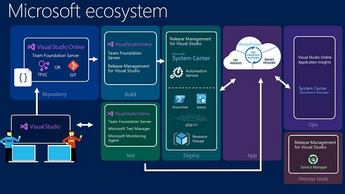
AZ-400
Designing and Implementing Microsoft DevOps Solutions
$14.99

AZ-500
Microsoft Azure Security Technologies
$14.99

AZ-700
Designing and Implementing Microsoft Azure Networking Solutions
$14.99

AZ-800
Administering Windows Server Hybrid Core Infrastructure
$14.99

AZ-801
Configuring Windows Server Hybrid Advanced Services
$14.99

AZ-900
Microsoft Azure Fundamentals
$14.99

DP-100
Designing and Implementing a Data Science Solution on Azure
$14.99

DP-203
Data Engineering on Microsoft Azure
$14.99

DP-300
Administering Microsoft Azure SQL Solutions
$14.99

DP-420
Designing and Implementing Cloud-Native Applications Using Microsoft Azure Cosmos DB
$14.99

DP-600
Implementing Analytics Solutions Using Microsoft Fabric
$14.99

DP-700
Implementing Data Engineering Solutions Using Microsoft Fabric
$14.99
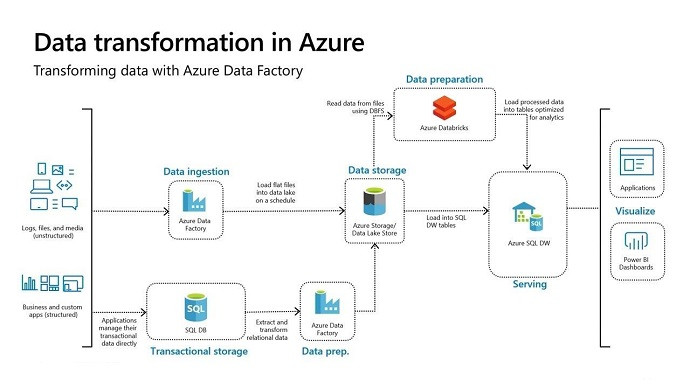
DP-900
Microsoft Azure Data Fundamentals
$14.99

GH-300
GitHub Copilot
$14.99

MB-210
Microsoft Dynamics 365 for Sales
$14.99

MB-230
Microsoft Dynamics 365 Customer Service Functional Consultant
$14.99

MB-240
Microsoft Dynamics 365 for Field Service
$14.99

MB-310
Microsoft Dynamics 365 Finance Functional Consultant
$14.99

MB-330
Microsoft Dynamics 365 Supply Chain Management
$14.99

MB-800
Microsoft Dynamics 365 Business Central Functional Consultant
$14.99

MB-910
Microsoft Dynamics 365 Fundamentals Customer Engagement Apps (CRM)
$14.99

MD-102
Endpoint Administrator
$14.99

MO-100
Microsoft Word (Word and Word 2019)
$14.99

MO-200
Microsoft Excel (Excel and Excel 2019)
$14.99

MO-201
Microsoft Excel Expert (Excel and Excel 2019)
$14.99

MS-102
Microsoft 365 Administrator
$14.99

MS-203
Microsoft 365 Messaging
$14.99

MS-700
Managing Microsoft Teams
$14.99

MS-721
Collaboration Communications Systems Engineer
$14.99
MS-900
Microsoft 365 Fundamentals
$14.99

PL-200
Microsoft Power Platform Functional Consultant
$14.99

PL-300
Microsoft Power BI Data Analyst
$14.99

PL-400
Microsoft Power Platform Developer
$14.99

PL-500
Microsoft Power Automate RPA Developer
$14.99

PL-900
Microsoft Power Platform Fundamentals
$14.99

SC-100
Microsoft Cybersecurity Architect
$14.99

SC-200
Microsoft Security Operations Analyst
$14.99

SC-300
Microsoft Identity and Access Administrator
$14.99

SC-400
Microsoft Information Protection Administrator
$14.99

SC-401
Administering Information Security in Microsoft 365
$14.99

SC-900
Microsoft Security, Compliance, and Identity Fundamentals
$14.99
Only Registered Members can View Training Courses
Please fill out your email address below in order to view Training Courses. Registration is Free and Easy, You Simply need to provide an email address.
- Trusted by 1.2M IT Certification Candidates Every Month
- Hundreds Hours of Videos
- Instant download After Registration